Toilet Constantly Running: Fix Costs, Causes, and UK Repair Guide 2026
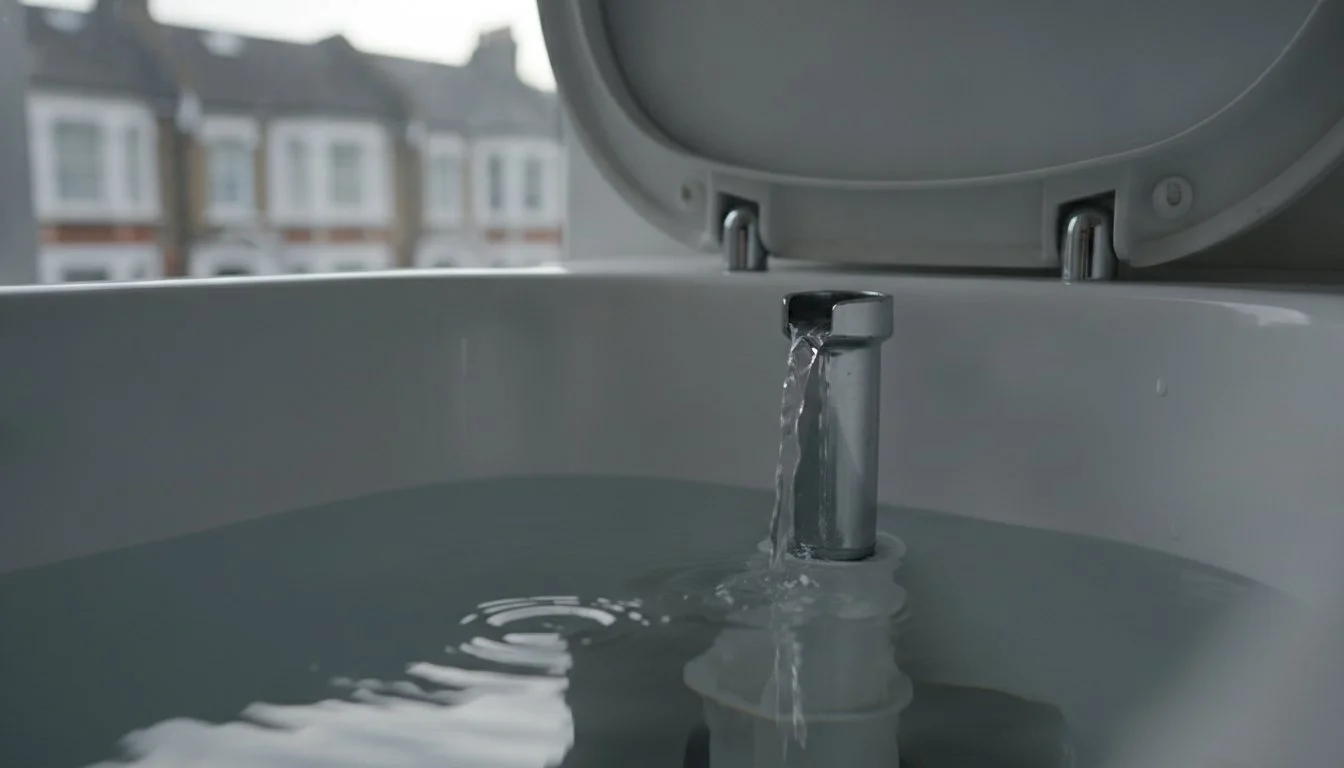
Did you know that a single leaking toilet can waste up to 400 litres of water every single day? That is enough to fill five bathtubs, and it is happening silently right behind your bathroom door. If you are hearing a constant hiss or seeing a ripple in the bowl, you are effectively watching your money flush away. Understanding the toilet constantly running fix cost UK is the first step toward reclaiming your peace of mind and protecting your home's efficiency. You shouldn't have to tolerate the stress of rising utility bills or the fear of being overcharged for a standard plumbing repair.
We agree that a running toilet is a household frustration that requires an immediate, transparent solution. This guide promises to show you exactly what is causing the leak, how much water you are actually losing, and what to expect when hiring a professional in 2026. We will preview the most common mechanical failures, explain the difference between a quick gasket replacement and a full valve overhaul, and help you secure a dependable fix. It's time to stop the noise and the waste with our expert breakdown of UK toilet maintenance.
Key Takeaways
Understand why the toilet constantly running fix cost UK is significantly lower than the £300 annual increase a leak can add to your water bill.
Identify the common culprits behind the flow, from worn-out dual-flush valves to faulty inlet floats and siphons.
Learn the exact steps to locate your isolation valve and safely remove the cistern lid to stop water wastage instantly.
Compare the price of DIY replacement parts against professional labour to determine the most cost-effective and reliable solution for your home.
Discover how to secure transparent, upfront pricing for expert repairs that silence your bathroom and protect your property.
Table of Contents
The Real Cost of a Running Toilet: Water Bills vs. Repair Fees
Why Your Toilet Won't Stop Running: Common UK Cistern Culprits
Professional Toilet Repairs in London: Fast, Reassuring Solutions
The Real Cost of a Running Toilet: Water Bills vs. Repair Fees
A running toilet occurs when water flows continuously from the cistern into the bowl. It is often a silent drain on your finances. Understanding how a flush toilet works helps you see why a small mechanical failure leads to such massive waste. In the UK, an estimated 400 million litres of water are lost every day due to leaking toilets. This isn't just an environmental issue. With 2026 water rates rising, ignoring this "invisible leak" is a costly mistake that compounds every hour you wait.
You might not see a puddle on the bathroom floor, but you will definitely see the impact on your bank statement. Major providers like Thames Water warn that a single faulty unit can add hundreds of pounds to your annual bill. Investing in a toilet constantly running fix cost UK service is a high-ROI maintenance task. The repair often pays for itself within just a few months of water savings. Delaying the fix is essentially choosing to pay the water company for a service you aren't actually using.
Calculating Your Monthly Water Waste
If you have a water meter, you can spot a silent leak in minutes. Turn off all taps and appliances, then check the meter dial. If it is still turning, your toilet is likely the culprit. For a more visual check, use the food colouring test. Drop a few drops of dark food colouring into the cistern and wait 30 minutes without flushing. If colour appears in the bowl, you have a confirmed leak. Metered customers in London are hit hardest by these issues. Higher regional tariffs mean a small trickle can escalate into a major financial burden very quickly.
Long-term Damage Beyond the Bill
The financial cost isn't limited to your utility statement. Constant water flow accelerates limescale buildup. This is a significant problem in hard water areas across the UK. This mineral crust can seize up internal components, leading to a complete cistern failure. Over time, the constant movement of water also causes erosion of the flush valve seat. If your overflow pipe is blocked or poorly positioned, a running toilet can even lead to internal damp or flooring damage. Taking action now prevents a simple fix from turning into a major property renovation project.
Why Your Toilet Won't Stop Running: Common UK Cistern Culprits
UK toilets differ significantly from the systems often described in generic DIY videos. You won't find a rubber flapper in most British homes. Instead, our cisterns rely on complex siphons or modern dual-flush valves. Understanding this anatomy is vital when calculating a toilet constantly running fix cost UK. If you hear water trickling into the bowl, you're dealing with an internal leak. This is distinct from an external leak that puddles on your bathroom floor. The overflow pipe acts as a safety valve. It directs excess water into the bowl to prevent your bathroom from flooding. While this saves your flooring, it silently drains your bank account.
Modern dual-flush buttons are more prone to sticking than old-fashioned levers. These integrated buttons often get jammed by grit or limescale. This keeps the flush valve open and the water running indefinitely. Older systems use a siphon, which is a large plastic unit. These are generally reliable but eventually fail when the internal plastic diaphragm perishes. A torn diaphragm prevents the system from sealing correctly after a flush. Identifying whether you have a button-operated valve or a lever-operated siphon is the first step toward a permanent solution.
Faulty Inlet Valves and Floats
The inlet valve is responsible for refilling the cistern after you flush. It relies on a float that sits on the water surface. When the float reaches a set height, it shuts the valve. If the float is set too high, water spills into the overflow. Limescale often interferes with this movement. In hard water areas, minerals build up on the float arm and cause it to get stuck in the 'down' position. This tells the valve to keep pumping water. You might notice a persistent hissing sound, which usually signals that the rubber seal inside the inlet valve has failed. Our team provides rapid tap and toilet repairs to replace these components before they cause further damage.
Flush Valve and Syphon Issues
The flush valve sits at the bottom of the cistern. It uses a large rubber seal or a 'doughnut' washer to keep water contained. Over time, these seals warp or perish. Even a tiny piece of debris trapped under the seal can prevent a watertight fit. In modern integrated cisterns, the "sticky button" syndrome is a common headache. The mechanical linkage between the button and the valve becomes misaligned. This prevents the valve from dropping back into place. For older toilets, the siphon's plastic diaphragm eventually wears out. Once this thin sheet of plastic tears, the toilet will either fail to flush or allow water to bypass the seal constantly. Replacing these parts is often more cost-effective than attempting a temporary patch.
Toilet Repair Costs in the UK: DIY vs. Hiring a Plumber
Deciding between a DIY fix and a professional call-out depends on your technical confidence and the urgency of the leak. Calculating the toilet constantly running fix cost UK requires looking at both parts and labour. For those attempting a home repair, parts are relatively inexpensive. You can expect to pay between £15 and £25 for a standard inlet valve. Modern flush valves typically range from £20 to £40. These prices cover the components only. They do not account for the tools required or the potential cost of a mistake. A poorly fitted valve can lead to a slow leak that damages your subfloor or ceiling over time.
Hiring a professional provides immediate relief and technical certainty. Plumber labour rates vary significantly across the country. Homeowners in the capital should prepare for the London Premium. Repairs in London typically cost 20% to 30% more than the UK national average. This reflects the higher operating costs and demand in the city. While a scheduled repair is always the most budget-friendly option, some situations demand immediate action. If your toilet won't stop running and the isolation valve is seized, waiting until Monday isn't an option. You must weigh the cost of an emergency call-out against the risk of property damage.
Fixed Price vs. Hourly Rates
Many reputable firms now offer fixed-fee toilet repairs for simple component swaps. This provides transparency and prevents the "ticking clock" stress of hourly billing. Fixed prices are excellent for standard jobs like replacing a dual-flush button or a doughnut washer. However, cheap plumbers often cut corners or use inferior parts. This leads to repeat visits and higher long-term costs. A professional repair should always come with a 12-month guarantee on labour. This protection ensures that if the fix doesn't hold, you aren't out of pocket for the follow-up visit. We value honesty and craftsmanship, ensuring every job meets high industry standards.
The Cost of 24/7 Emergency Response in London
A running toilet becomes a genuine emergency when the overflow cannot keep up or the water begins to exit the cistern externally. In these high-stakes moments, a 24/7 rapid response is essential. You should expect a higher call-out fee for middle-of-the-night or weekend assistance. Transparent pricing is non-negotiable during an emergency. A dependable provider will explain the costs clearly before they arrive at your door. This upfront approach eliminates hidden surprises and allows you to focus on the solution. Immediate action stops water wastage and provides the emotional relief of knowing your home is safe and functional once again.
DownloadFeedback & RecreateDelete
How to Diagnose and Temporarily Stop a Running Toilet
You can take immediate action to silence your bathroom and stop wasting water. Diagnosing the issue doesn't require a degree in engineering. First, locate the isolation valve. This is usually a small chrome screw on the water pipe leading to the cistern. Turn it 90 degrees with a flathead screwdriver to cut the supply. Once the water is off, carefully remove the cistern lid. Many modern UK toilets have dual-flush buttons on the lid. Don't yank it. Lift it slightly to check for plastic cables or rods before setting it aside safely.
Look at the water level inside. If it reaches the top of the overflow pipe, your inlet valve isn't shutting off correctly. Manually lift the float arm. If the water stops, the float simply needs adjusting. If it continues to flow, the internal seal is likely perished. Finally, inspect the flush valve at the bottom of the tank. Even a tiny piece of limescale or grit can prevent the seal from closing. Knowing the toilet constantly running fix cost UK is helpful, but stopping the flow right now is your priority.
Quick Fixes You Can Try Now
Cleaning the seal is often the fastest way to stop a leak. Reach into the cistern and wipe away any grit or slime from the rubber washer at the base. You can also adjust the float arm with a screwdriver. Lowering the float height stops the tank from overfilling. If these steps fail, use the isolation valve as a temporary shut-off. Turn the water on only when you need to flush. This simple habit prevents hundreds of litres from being wasted while you wait for a professional. If you're unsure about the internal mechanics, book our emergency plumbing repairs for a guaranteed result.
When to Put the Tools Down
Modern cisterns are made of thin, brittle plastic. It's easy to cause more damage than you fix. If you encounter a cross-threaded valve or a seized isolation screw, stop immediately. Forcing these components often leads to a cracked cistern or a burst pipe. Over-tightening plastic nuts is another common mistake that causes slow, hidden leaks behind the wall. If the components don't move freely or look heavily encrusted with limescale, it's time to call a professional. A flooded bathroom will cost significantly more than a standard repair fee. Professional plumbers have the specific tools to handle stubborn UK fittings without risking your property.
Professional Toilet Repairs in London: Fast, Reassuring Solutions
When a running toilet disrupts your home, you need a solution that is both immediate and definitive. 24hr Plumbing and Heating is the first choice for London homeowners who value technical authority and speed. Our team understands that the toilet constantly running fix cost UK is a primary concern for many. We address this by providing transparent, upfront pricing with no hidden surprises. You get a clear explanation of the work required before we start. This commitment to honesty is the foundation of our service across London and the M25 area.
Our engineers bring a high level of discipline to every job site. While we are known for our expert Gas Safe engineers, our proficiency extends far beyond boiler systems. We apply the same rigorous safety standards and attention to detail to every toilet repair. Whether you have a modern dual-flush system or an older siphon unit, we have the expertise to silence it. We operate 24/7 because plumbing crises don't follow a schedule. You can rely on us for total peace of mind at any hour of the day or night.
Our Rapid Response Guarantee
We treat every call with the urgency it deserves. Our arrival times mirror the high-stakes nature of a plumbing emergency. Each of our vans is fully stocked with high-quality components. This preparation ensures we complete most toilet repairs in a single visit. You won't have to wait days for parts to arrive while your water bill climbs. Our service is professional, friendly, and deeply respectful of your property. We work quickly to restore your home's efficiency and stop water wastage immediately.
Book Your Repair Today
Securing a professional fix is a straightforward process. You can contact us to get a fast quote for your repair and see our commitment to transparency firsthand. We also offer multi-service discounts for proactive homeowners. Consider combining your toilet repair with a boiler service to maximize your home's maintenance value in one visit. Don't let a silent leak drain your finances any longer. Take the final step toward a quiet, efficient home today. Get a fast, professional toilet repair in London now and resolve your plumbing issues for good.
Silence Your Bathroom and Protect Your Budget Today
Don't let a faulty cistern drain your bank account or damage your property. We have explored how a single leak can waste 400 litres of water every day and why modern dual-flush systems often fail due to limescale or debris. Taking immediate action is the only way to stop the financial drain on your household. While DIY attempts might seem tempting, understanding the total toilet constantly running fix cost UK involves weighing the price of parts against the certainty of a professional, guaranteed result.
Our team provides total peace of mind with a 24/7 rapid response across London and the M25. We take pride in our technical authority; our Gas Safe registered and fully insured engineers arrive in fully stocked vans to complete most repairs in one visit. You can expect transparent hourly rates and fixed quotes that eliminate the fear of hidden fees. Silence the noise and reclaim your home's efficiency with a team that values honesty and craftsmanship.
Stop the leak and save on your water bill – Call our 24/7 London team now
Your home deserves a reliable plumbing system. We are ready to deliver it whenever you need us.
Frequently Asked Questions
Why does my toilet keep running every few minutes?
This cycle is usually caused by a faulty inlet valve or a float that isn't shutting off correctly. Water slowly drains from the cistern into the bowl, which triggers the refill mechanism once the level drops too low. It is a clear sign of a failing seal or a misaligned component that needs immediate attention to stop the noise and expense.
How much should a plumber charge to fix a running toilet in London?
London plumbing rates are typically 20% to 30% higher than the national average due to higher operating costs in the capital. The toilet constantly running fix cost UK generally includes a call-out fee plus the price of replacement parts like valves or washers. Dependable providers will offer a fixed quote or a clear hourly rate before they begin any work on your property.
Can a running toilet cause a flood in my house?
Yes, water can bypass the bowl and flood your bathroom if the overflow pipe is blocked or incorrectly installed. Most UK toilets are designed to drain excess water safely into the pan. However, if the internal components fail completely and the overflow is obstructed, the cistern will spill over. This creates a serious risk of damp and structural damage to your flooring.
Is a running toilet an emergency I should call a 24-hour plumber for?
It becomes a genuine emergency if you cannot isolate the water supply or if the water is leaking onto the bathroom floor. A silent trickle is a financial drain, but a major overflow is an immediate threat to your property. If the water won't stop and you fear damage to your home, a 24-hour rapid response service is essential to prevent costly repairs.
Will a running toilet affect my boiler or heating system?
No, a running toilet is part of your cold water mains or tank-fed system and does not directly impact boiler performance. While it won't damage your heating, the constant demand for water might slightly lower the pressure at other taps in the house. It remains a separate plumbing issue that requires a specific repair to restore your home's total efficiency.
How do I stop my toilet from running if I don't have an isolation valve?
You must turn off the main internal stopcock for the entire property to cut the water supply immediately. This valve is usually located under the kitchen sink or where the main pipe enters the building. Once the water is off, flush the toilet to empty the cistern. This stops the flow temporarily while you wait for a professional to install a permanent fix.
Does a running toilet always mean I need a new cistern?
No, most issues are resolved by replacing individual internal components like the inlet valve or the flush seal. Cisterns are durable shells that rarely need a full replacement unless the ceramic itself is cracked. Swapping out the mechanical parts is a faster and more cost-effective way to silence the unit without the need for a major bathroom overhaul.
Why is my dual-flush toilet constantly trickling after I press the button?
This is often caused by a sticky button or a perished seal at the base of the flush valve. Limescale buildup can prevent the button from popping back up, which keeps the valve open. Alternatively, the large rubber washer at the bottom may have warped over time. A professional inspection will determine if the valve needs a thorough clean or a full component replacement.