Expert Hot Water Cylinder Repair in Greenwich: 24/7 Emergency Service
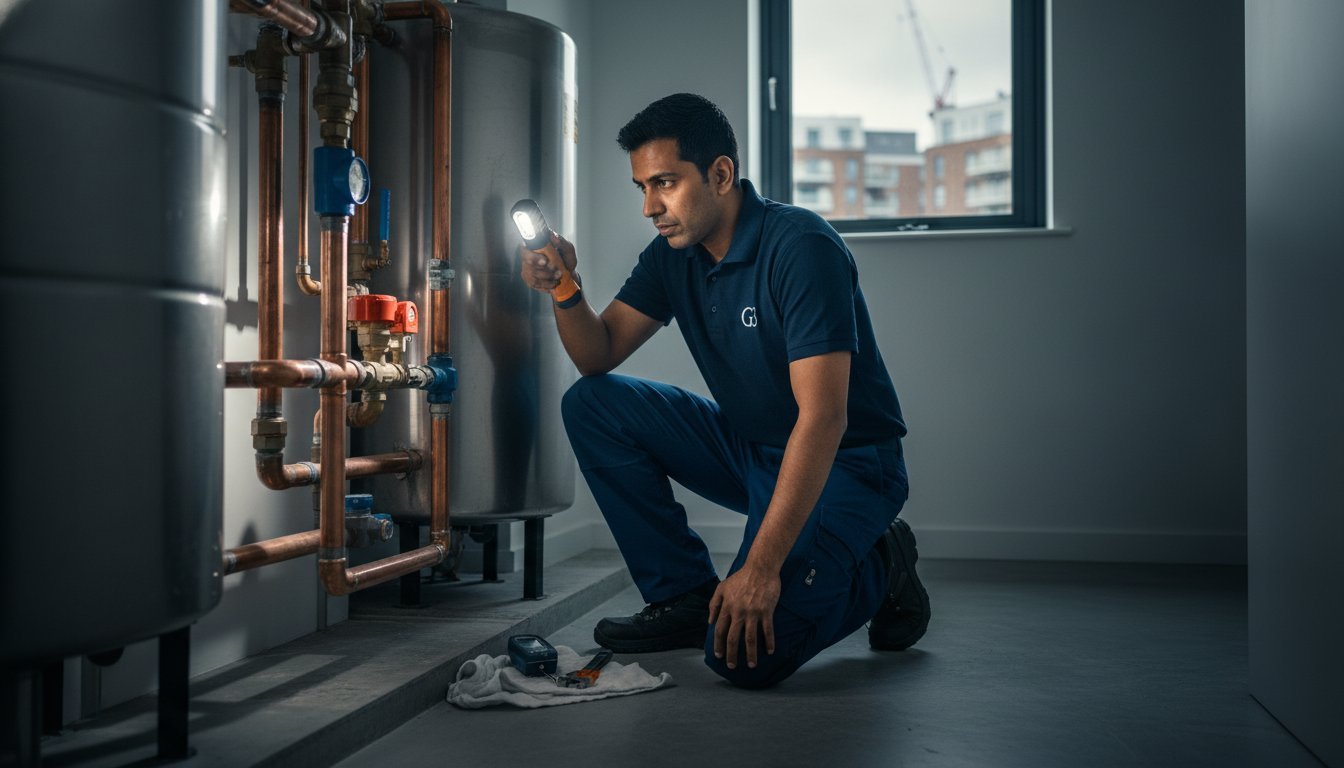
Imagine waking up on a freezing morning only to find your shower running ice-cold and a pool of water creeping across your floor. It's a household crisis that stops your day in its tracks. Whether you live in a Victorian terrace with a traditional vented system or a modern riverside apartment, you need expert hot water cylinder repair Greenwich specialists can provide immediately. A small leak can quickly turn into a major flood if it isn't handled by a professional.
We know you can't put your life on hold. Our G3-qualified emergency team is available 24/7 to restore your hot water today. We bring technical authority and a steady, calming presence to every call-out. You'll get clear answers about your system and fair, transparent pricing without the usual stress of a plumbing emergency. We focus on efficiency and safety to protect your home and your peace of mind.
This guide explains how we diagnose complex cylinder faults, the importance of G3 certification for unvented tanks, and our rapid-response process for Greenwich residents.
Key Takeaways
Act fast during a leak by following our emergency isolation steps to stop water damage and secure your home immediately.
Secure the expert hot water cylinder repair Greenwich residents rely on for 24/7 emergency restoration and technical safety.
Understand the differences between Victorian-era vented systems and modern unvented cylinders to ensure your repairs meet current Building Regulations.
Save money by learning when a simple valve repair is sufficient and when a full cylinder replacement offers better long-term value.
Ensure your property is protected by hiring G3-qualified and Gas Safe registered engineers for all high-pressure system maintenance.
Table of Contents
Common Signs You Need Hot Water Cylinder Repair in Greenwich
Vented vs. Unvented Cylinders: What Greenwich Homeowners Own
Common Signs You Need Hot Water Cylinder Repair in Greenwich
Identifying a fault early prevents a cold morning and a soaked carpet. Most homeowners notice a problem when the tap runs cold, but several subtle warning signs usually appear before a total failure. If you hear strange rumbling or popping sounds coming from your cupboard, it is often a sign of heavy limescale buildup. This "kettling" happens because Greenwich is a hard water area. Minerals settle at the base of the tank, causing the water to overheat locally and create steam bubbles. This process reduces efficiency and places unnecessary stress on the metal structure.
A standard hot water storage tank is built to last between 15 and 30 years, but ignoring symptoms can shorten that lifespan significantly. You should watch for these specific indicators:
Total loss of hot water: This usually points to a failed heating element or a faulty thermostat.
Inconsistent temperatures: Water that fluctuates between hot and cold suggests a failing component or a blocked pipe.
Low hot water pressure: If your cold water is strong but the hot water is weak, there is likely a blockage in the pressure reducing valve or the internal strainer.
Tripping electrics: If your immersion heater frequently trips the circuit breaker, you have an electrical short that requires immediate attention.
Identifying Leaks and Structural Issues
Water pooling at the base of your unit is an immediate red flag. You should check the pipework connections and valves first. A minor drip from a pressure relief valve might just mean a single part needs replacing. However, if the tank itself is weeping through the insulation, you likely have a structural breach. This is common in older copper cylinders where corrosion has thinned the metal over decades. In Greenwich, the high mineral content in the water supply accelerates this corrosion. We recommend regular inspections to catch these "weeps" before they turn into a catastrophic flood that damages your flooring and ceilings.
Electrical and Thermostat Failures
If your hot water is suddenly scalding or the power cuts out, the electrical components have likely failed. A burnt-out immersion element is a frequent culprit. This happens when the copper sheath splits, allowing water to touch the live wire. Your consumer unit will shut off the power to prevent a fire. Sometimes, the thermal cut-out switch trips because the thermostat has failed and the water has reached a dangerous temperature. While you can try to reset the switch once, a recurring trip means you need professional hot water cylinder repair Greenwich services to replace the faulty sensors. Dealing with high-voltage elements and pressurized water requires the technical authority of a qualified professional to ensure your home remains safe.
Vented vs. Unvented Cylinders: What Greenwich Homeowners Own
Greenwich's skyline is a unique blend of history and modernity. This architectural diversity means that hot water cylinder services must cover two very different technologies. In the historic Victorian terraces of SE10, you'll likely find traditional vented systems. Meanwhile, the sleek developments near the Cutty Sark almost exclusively use high-pressure unvented cylinders. Knowing which one you have is the first step toward effective hot water cylinder repair Greenwich homeowners can trust when a crisis strikes.
The Traditional Vented Cylinder
These systems rely on a cold water storage tank, usually tucked away in the attic. Gravity does the heavy lifting here. Water flows from the header tank down into the copper cylinder to be heated. While reliable, they are prone to specific frustrations. Airlocks often occur after the system has been drained or if the water level drops too low. Ball-valve failures in the loft can lead to constant overflows or a total lack of water. Many Greenwich property conversions struggle with low shower pressure because there isn't enough "head" or height between the tank and the tap to create a strong flow.
The High-Pressure Unvented Cylinder
Modern homes demand better performance. Unvented cylinders connect directly to the mains water supply, delivering powerful pressure to every tap and shower in the house. Because they don't use a vent pipe to the atmosphere, they require complex safety components like expansion vessels and temperature relief valves to manage the internal pressure. High efficiency water heaters of this type are excellent for energy savings but carry significant safety risks if neglected. If the pressure isn't managed correctly by a professional, the tank can become dangerously unstable and potentially fail.
This is why the law is so strict. Under Building Regulations Part G3, only engineers with a specific G3 qualification can legally install or repair unvented systems. It isn't just about technical skill; it's about preventing catastrophic failures and ensuring the safety of your home. Annual servicing isn't optional for these units. It's often a requirement to keep your manufacturer's warranty valid. If your high-pressure system is acting up, don't take risks with an unqualified handyman. Reliable hot water cylinder repair Greenwich depends on specialized knowledge of these high-stakes systems.
Repair vs. Replacement: Calculating the Best Value
Deciding between a quick fix and a full system overhaul is a critical choice for any homeowner. While we always aim for a cost-effective hot water cylinder repair Greenwich residents can rely on, age is the ultimate deciding factor. Most traditional copper cylinders have a service life of 10 to 15 years. If your unit is approaching this limit, the metal has likely thinned significantly. Investing in a repair for a tank this old often leads to "throwing good money after bad," as another leak is likely just weeks away.
Modern cylinders offer far superior insulation compared to older models. Upgrading doesn't just restore your hot water; it improves your home's Energy Performance Certificate (EPC) rating. In the competitive Greenwich property market, a high EPC rating and a modern, unvented hot water system can add tangible value to your home. Beyond the financial gains, you must consider safety. All new installations must strictly adhere to the UK Government Building Regulations (Approved Document G). These rules ensure your system handles pressure and temperature safely, protecting your family and your property.
When a Repair is Sufficient
We often find that a total lack of hot water is caused by a single failed component rather than the tank itself. If the cylinder shell is dry and structurally sound, we can usually resolve the issue by replacing specific parts. Common repairs include:
Replacing burnt-out immersion heater elements.
Installing new, accurate thermostats to prevent overheating.
Swapping out faulty external valves or pressure gauges.
Recharging or replacing a failed expansion vessel on unvented systems.
Clearing localized limescale buildup to restore heating speed.
When Replacement is Unavoidable
Sometimes, a repair is physically impossible or unsafe. If you spot "pinhole" leaks or green oxidation marks on the body of a copper tank, the internal structure is failing. Corrosion from Greenwich's hard water eventually eats through the metal from the inside out. In these cases, a patch won't work. You might also choose replacement as a strategic upgrade. Moving from an old vented unit to a modern unvented system provides the high-pressure showers that modern households expect. We help you calculate the correct cylinder size for your current family needs, ensuring you don't waste energy heating more water than you actually use. This proactive approach prevents the stress of a sudden, catastrophic tank failure in the future.
DownloadFeedback & RecreateDelete
Emergency Steps: What to Do if Your Cylinder Leaks
A leaking cylinder is a high-stakes crisis that demands immediate action. You must act within seconds to minimize property damage and ensure the safety of your household. Start by isolating the water supply to stop the flood at its source. If you can't find the specific valve for the tank, turn off the main stopcock for the entire property. This prevents thousands of liters of water from escaping into your home.
Next, you must kill the power. Water and electricity are a lethal combination. If your cylinder uses an immersion heater, switch it off at the wall or at your main consumer unit. Taking these two steps provides the breathing room you need while you wait for professional help. Once the site is safe, calling for a hot water cylinder repair Greenwich specialist is your next priority. We provide a 24/7 response to stabilize the situation and begin the restoration process immediately.
Locating Your Shut-Off Valves
Most Greenwich homes have a main stopcock located under the kitchen sink or near the front door. Turn this clockwise until it is fully closed. For a more targeted approach, look for the gate valve on the cold feed pipe leading into the bottom of your cylinder. Hand-tighten this valve to stop water from entering the tank. Never attempt to "patch" a leaking tank with waterproof tape or sealant. These units operate under significant pressure. A temporary patch will fail almost immediately, often resulting in a more violent burst that causes even more damage.
Protecting Your Property
In multi-storey Greenwich conversions, a top-floor leak quickly becomes a problem for the neighbors below. If the leak is severe and uncontrollable, open your hot water taps in the bath or sink. This redirects the remaining water in the tank through your plumbing and down the drain rather than through your floorboards. While you wait for our arrival, take clear photos of any visible damage for insurance purposes in SE10. Clear a path to the cylinder cupboard and move any stored items, laundry, or cleaning supplies. This allows our engineer to begin work the moment they step through your door.
Fast, reliable emergency plumbing repairs are essential to prevent long-term structural issues or mold growth. Our team is trained to handle high-pressure situations with a steady, professional hand. We focus on rapid intervention to secure your property and provide the hot water cylinder repair Greenwich residents rely on during household emergencies. We arrive fully equipped to manage the leak and discuss the best long-term solution for your hot water system.
Why Choose 24hr Plumbing and Heating for Greenwich Repairs?
You shouldn't have to wait days for a specialist when your home is flooding or your water is freezing. We provide a professional, rapid-response solution for every type of hot water crisis. Our team covers the entire borough, from the historic streets of Blackheath to the modern developments in Eltham. We aren't a faceless national corporation. We are local experts who understand the specific challenges of Greenwich's plumbing infrastructure. This regional knowledge allows us to navigate the area quickly and arrive with the right tools for the job.
Technical authority is our standard. Every engineer we send to your door is fully G3-qualified and Gas Safe registered. As we discussed earlier, these certifications are non-negotiable for high-pressure systems. They ensure your hot water cylinder repair Greenwich is performed safely and legally. We take pride in our craftsmanship and our commitment to the community. You can expect a steady, calming presence from a professional who has managed these high-stakes situations many times before. We value honesty, which is why we offer transparent hourly rates. You won't face hidden "emergency" surprises when the bill arrives.
Our Rapid Response Guarantee
We know that timing is everything during a leak. Our engineers prioritize SE10 and surrounding postcodes to ensure the fastest possible arrival. We aim for a first-time fix on every call-out. To achieve this, our vans operate as mobile workshops. We carry a comprehensive stock of common cylinder spare parts, including immersion heaters, thermostats, and pressure relief valves. This preparation means we can often restore your hot water in a single visit. We move quickly from identifying your specific problem to presenting a definitive, long-term solution.
Professionalism and Peace of Mind
Your property is your most valuable asset. We protect it with comprehensive public liability insurance and a rock-solid guarantee on all workmanship. From the moment you place your first call, you'll experience clear, direct communication. We explain the technical faults in accessible language so you can make informed decisions about your home. Our focus is on efficiency, safety, and your long-term financial prudence. We work hard to minimize disruption and leave your home clean and dry. Don't let a cylinder fault ruin your week. Book your emergency cylinder repair now and get your home back to normal today. Our hot water cylinder repair Greenwich service is available 24/7 to provide the immediate relief you need.
Restore Your Hot Water and Protect Your Home Today
Don't let a leaking tank or an ice-cold shower disrupt your life any longer. We've covered how to identify critical faults, the legal necessity of G3-certified engineers, and the immediate steps to take during a leak. Whether you own a traditional vented system in a period terrace or a high-pressure unvented unit, securing expert hot water cylinder repair Greenwich is the only way to ensure a safe and long-lasting fix. Proactive maintenance today prevents a catastrophic flood tomorrow.
Our team brings technical authority and a steady, calming presence to every household crisis. We are Gas Safe registered and G3-qualified, ensuring your high-pressure system meets all current safety regulations. With our 24/7 rapid response in SE10, you can stop the damage and get your system back to peak performance immediately. We prioritize transparency, efficiency, and your peace of mind above all else.
Call Our 24/7 Greenwich Emergency Line Now
You don't have to face a plumbing emergency alone. We're here to provide the dependable, no-nonsense service you deserve to get your home back to normal.
Frequently Asked Questions
Is a leaking hot water cylinder an emergency?
Yes, a leaking cylinder is a high-priority emergency that requires immediate attention. Water escaping from a pressurized or gravity-fed tank can quickly penetrate floorboards and ceilings, leading to expensive structural damage. If the water reaches electrical components like the immersion heater, it creates a severe safety risk for everyone in the building. You should isolate the water and power immediately before calling for professional assistance.
How much does it cost to repair a hot water cylinder in Greenwich?
The cost for hot water cylinder repair Greenwich depends on the specific fault, the type of cylinder you own, and whether you need an out-of-hours emergency call-out. Standard repairs often involve replacing a single component like a thermostat or a valve, while complex faults in unvented systems may require more intensive labor. We provide transparent hourly rates to ensure you know exactly what you are paying for without hidden surcharges or "emergency" surprises.
What is a G3 qualification and why does my plumber need it?
A G3 qualification is a legal certification required for anyone working on unvented hot water systems. These units operate under high pressure and include specific safety devices to prevent overheating or catastrophic tank failure. Hiring an unqualified person is dangerous and can invalidate your home insurance. Our engineers hold this mandatory certification to ensure your system remains compliant with UK Building Regulations and operates safely.
Can I fix a noisy hot water cylinder myself?
You shouldn't attempt to fix a noisy cylinder yourself as the sounds often indicate internal pressure issues or heavy mineral scaling. Rumbling or popping noises usually mean the heating element is struggling against limescale, which requires professional descaling or replacement. Attempting a DIY fix on a pressurized tank is hazardous and could lead to accidental injury or permanent system damage. A professional can safely diagnose the cause and restore quiet operation.
How long does a typical cylinder repair take?
Most common repairs take between one and three hours to complete once the engineer is on-site. If we are replacing a thermostat or an immersion heater, the job is relatively straightforward. However, if the system needs to be fully drained to replace a major valve or the tank itself, the process will take longer. We carry a wide range of common spares to ensure a first-time fix whenever possible, minimizing the time your home is without hot water.
Why do I have hot water in the shower but not the kitchen tap?
This usually points to an airlock in the pipework or a localized blockage in the kitchen's hot water feed. In some Greenwich properties, the shower might be fed by a pump or a high-pressure unvented system while the kitchen relies on a lower-pressure gravity feed. We can quickly diagnose the specific point of failure and clear the blockage or adjust the valves to restore consistent flow across your entire home.
Should I turn off my boiler if my cylinder is leaking?
Yes, you should turn off your boiler and the cylinder's immersion heater immediately. Keeping the heat source active increases the internal pressure and can worsen the leak. Once the heat is off, isolate the water supply to the tank using the gate valve or the main stopcock. Taking these steps protects your heating system from dry-firing and prevents further damage while you wait for your hot water cylinder repair Greenwich specialist to arrive.
How often should I have my unvented cylinder serviced in London?
You must have your unvented cylinder serviced annually to maintain safety and uphold the manufacturer's warranty. During a service, we check the expansion vessel pressure and test the temperature and pressure relief valves to ensure they aren't blocked by debris. Regular maintenance is essential in London's hard water areas to prevent limescale from damaging internal components and causing a premature system failure.