Signs of a Water Leak in Your Ceiling: A 2026 Guide to Early Detection
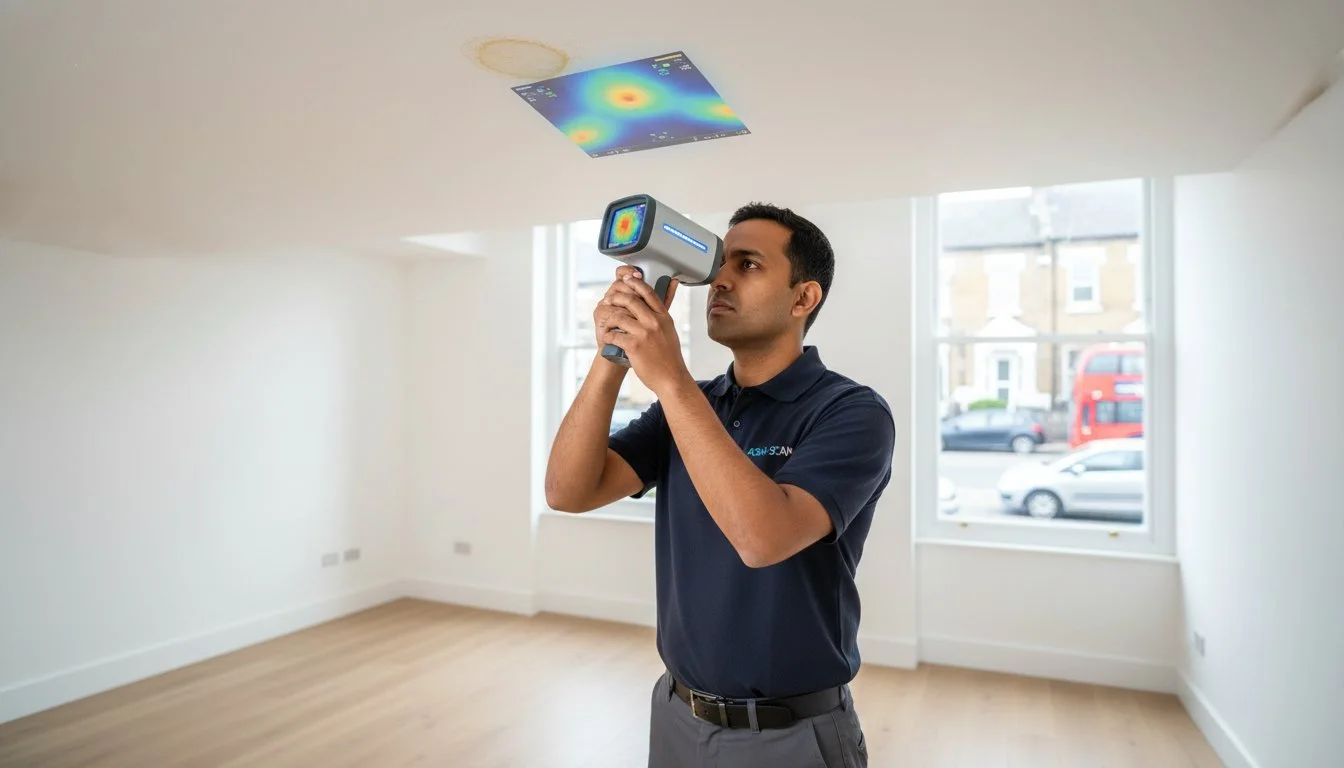
That small, yellowish ring on your plaster isn't just a cosmetic flaw. It's a structural warning sign that's already costing you money. You're likely staring at a damp patch and worrying about a potential ceiling collapse or a massive repair bill. Identifying the early signs of a water leak in ceiling areas is critical, especially in London where Thames Water lost 620 million litres of water to leakage every single day in the 2022/2023 period.
We understand the urgency of protecting your home from the Victorian era's aging pipework. This guide will help you spot these issues before a minor drip becomes a disaster. You'll learn how to identify subtle indicators like bubbling paint and musty smells, verify if the leak is active, and take immediate action to stop the damage. We provide the technical clarity you need to handle this crisis with confidence and find the right professional support.
Key Takeaways
Identify the visual signs of a water leak in ceiling areas, including discoloured patches and bubbling paint, to prevent structural damage.
Learn to detect hidden plumbing failures by listening for specific sounds and identifying persistent, musty odours.
Understand how to quickly differentiate between a weather-related roof issue and a constant mains plumbing leak.
Master the immediate emergency steps to take, such as locating your stopcock and safely draining ceiling bulges.
Explore how professional leak detection uses non-invasive technology like thermal imaging to protect London's historic properties.
Table of Contents
Recognising the Visual Signs of a Water Leak in Your Ceiling
Subtle Indicators: Detecting Leaks Before They Become Visible
Recognising the Visual Signs of a Water Leak in Your Ceiling
Visual evidence is usually your first warning that something is wrong. Most homeowners ignore faint marks, but early detection prevents a total ceiling failure. You must look for patches that shift from a pale yellow to a deep, rusty brown. These aren't just cosmetic marks; they're the physical residue of minerals left behind as water evaporates through your plaster. If you notice a signs of a water leak in ceiling areas, don't wait for the first drip to hit the floor. Immediate action saves your home from long-term decay.
The Anatomy of a Water Stain
Water always follows the path of least resistance. Usually, this means it pools in the centre of a ceiling panel or runs along the length of a timber joist. If the stain is circular, you're likely looking at a localised plumbing failure directly above the spot. If it's a long, straight line, the water is travelling along a pipe or beam before soaking into the plasterboard. Understanding Water Damage is vital here because saturated materials change texture rapidly. An active leak feels cool and damp to the touch, while a dried, historical stain feels brittle or chalky.
Structural Deformities and Surface Changes
Plasterboard isn't designed to hold the weight of standing water. When it absorbs moisture, it loses structural integrity and begins to bow. This "sagging" is a genuine emergency; the weight of trapped water can cause the entire section to collapse without warning. You should also watch for paint that bubbles or blisters. This happens when moisture gets trapped between the paint film and the ceiling surface. It's one of the most reliable signs of a water leak in ceiling structures that require professional leak detection.
Don't forget the edges of your room. Crown moulding and cornices are common collection points for moisture. If you see peeling wallpaper near the top of the wall or sudden mould growth in the corners, the source is likely above you. Some ceilings may even appear to "sweat." These tiny droplets look like condensation, but they often signal a slow, persistent leak from a pipe hidden in the floor cavity. Watch for these specific indicators:
Faint yellow or dark brown circular stains.
Bubbling, cracking, or peeling paint.
A visible "dip" or bowing in the ceiling plane.
Peeling wallpaper or dampness on decorative cornices.
Black or green mould spots appearing in high corners.
If you spot any of these, the damage is already underway. Turn off your water and call a specialist before the plaster gives way.
Subtle Indicators: Detecting Leaks Before They Become Visible
A leak doesn't always start with a puddle. Often, it begins as a whisper or a faint, lingering scent. Waiting for a visible stain means you're already facing structural decay. By learning the non-visual signs of a water leak in ceiling voids, you can intervene before the plasterboard fails. If you suspect a problem, start by monitoring your water meter during a period of zero usage. Any movement on the dial confirms an active plumbing failure that requires immediate attention. You should also check for sudden drops in water pressure across your property, as this often indicates a breach in the main supply line.
Acoustic Signs of Hidden Pipe Failures
Listen closely when the house is silent. A slow, rhythmic "ticking" or "clicking" sound often signals thermal expansion in a leaking pipe. As hot water escapes, the pipe shifts against the floor joists or wall studs. A constant "hissing" sound is even more urgent. This usually indicates a high-pressure pinhole leak in your mains supply. Perform a "quiet house test" by turning off all appliances and electronics. Walk through each room and listen to the ceiling. If you hear running water where there are no open taps, you have a definitive problem that needs a professional eye.
Olfactory and Environmental Clues
Your nose often detects a leak before your eyes do. A persistent, musty odour that won't disappear with ventilation is a major red flag. This "earthy" scent is the smell of damp timber and insulation trapped in a dark, unheated space. It's quite different from the smell of a damp towel; it's heavier and more stagnant. High indoor humidity or condensation on upper-wall corners also points to hidden moisture. These are common signs of a household water leak that homeowners frequently overlook until the ceiling begins to sag.
Beyond sounds and smells, pay attention to the physical temperature of your surroundings. Warm spots on a plasterboard ceiling usually suggest a hot water pipe breach or a failing heating circuit. Research shows that an average individual leak can account for over 13,000 litres of wasted water in a single year. Don't let your home's integrity wash away. If these subtle signs of a water leak in ceiling structures sound familiar, you need specialized leak detection to find the source without tearing down your walls. Catching the issue now prevents a full-scale emergency later. Other clues to watch for include:
Sudden spikes in your water bill without a change in habits.
Unexplained dampness on carpets or floorboards directly above the affected ceiling.
A "spongy" feel to the ceiling material when tested with a broom handle.
Persistent condensation on windows in only one specific room.
Determining the Source: Plumbing Failure vs. Roof Leaks
Identifying the origin of the moisture is your next priority. You need to know if you're calling a roofer or a plumber. If the signs of a water leak in ceiling spaces only appear during a London downpour, check your gutters and roof tiles first. Wind-driven rain can force water under loose slates or into blocked downpipes, causing it to overflow into your eaves. However, if the drip remains steady during a dry spell, the fault lies within your internal plumbing. Constant pressure from the mains supply ensures a plumbing leak never takes a day off. It stays active 24/7 until you intervene.
Examine the water itself to narrow down the search. Clean, clear water usually comes from a high-pressure supply pipe. If the water appears cloudy, soapy, or smells of detergent, the breach is in a waste pipe. This distinction is vital for your repair strategy. Look for external clues like damp brickwork or green algae on the outside of your property. These often signal that water is entering from the outside rather than failing from within your internal system.
The Bathroom Connection
Most ceiling leaks originate in the bathroom directly above the damage. Check the silicone sealant around your shower tray and bathtub for gaps. Even a hairline crack in the grout allows litres of water to seep into the floorboards every time someone bathes. A leaking toilet cistern is another frequent culprit. It often creates a localized, persistent damp spot that grows slowly over time. You can test your appliances by running a cycle on the washing machine or dishwasher. If the leak intensifies during the drain cycle, you've confirmed a waste pipe failure.
Central Heating and Boiler Leaks
Don't ignore your heating system. A sudden, unexplained drop in boiler pressure is a massive red flag. This often happens before you see any visible signs of a water leak in ceiling plaster. Water escaping from a radiator valve or an underfloor heating manifold will eventually find its way down to the floor below. If you have a hot water cylinder in the loft, check the base for standing water immediately. A failing cylinder or a leaking header tank can cause extensive damage to the rooms below before the problem becomes obvious to the naked eye.
DownloadFeedback & RecreateDelete
Emergency Action Plan: What to Do Immediately
Once you identify the signs of a water leak in ceiling plaster, you must act within minutes to prevent a total collapse. Your first priority is to stop the flow. Locate your internal stopcock immediately. It's usually found under the kitchen sink or in a hallway cupboard. Turn it clockwise to shut off the main water supply to the property. This simple action prevents thousands of litres of water from further saturating your home's structure. After the water is off, move all furniture, electronics, and valuables away from the affected area. Cover large items with heavy-duty plastic sheeting to protect them from falling debris or "grey" waste water.
Documentation is your next step. Take clear, high-resolution photos and videos of the wet patches, bulging plaster, and any damaged belongings. This evidence is vital for your insurance claim and helps your plumber diagnose the issue quickly. You need to know the difference between a standard repair and a crisis. If water is actively pouring through the ceiling or if you've lost all water pressure, you need emergency plumbing repairs immediately. Waiting until the next morning could result in the loss of the entire ceiling structure.
Mitigating Structural Collapse
A sagging or "bowing" ceiling is holding hundreds of pounds of water weight. If you see a bulge, it is safer to release the water in a controlled way than to let it burst. Place a large bucket directly under the lowest point of the sag. Using a screwdriver or a small drill bit, carefully poke a "pilot hole" in the centre of the bulge. This allows the trapped water to drain into the bucket and relieves the pressure on the plasterboard. Never stand directly under the sag while doing this. Work from the side to ensure you are clear if the material gives way.
Electrical Safety Precautions
Water and electricity are a lethal combination. If the leak is near light fittings, ceiling fans, or smoke alarms, go to your consumer unit and switch off the power to that circuit immediately. Signs that water has entered the electrical system include flickering lights, a buzzing sound from the ceiling, or a burning smell. Never touch a wet light switch or socket with your bare hands. If the leak is originating from a boiler or affecting gas-fired appliances, you must also contact a specialist to ensure the system remains gas-safe. Your priority is life safety; the plumbing repair comes second.
Shut off the main stopcock clockwise.
Drain ceiling bulges using a small pilot hole and a bucket.
Kill the power at the consumer unit if water is near electricals.
Clear the room of all valuables and furniture.
Photograph everything for your insurance records.
Professional Leak Detection and Repair in London
London's historic architecture brings unique challenges. Victorian and Georgian conversions often feature aging lead pipes or complex shared drainage systems. When you spot the signs of a water leak in ceiling plaster in these properties, the source isn't always obvious. Water can travel metres from the original breach before showing itself. This is why a standard "look and see" approach fails. You need technical authority and precise diagnostic tools to protect your home's integrity. We focus on rapid identification to stop damage before it spreads to neighbouring flats or lower floors.
Advanced Leak Detection Technology
We use non-invasive methods to pinpoint failures without destroying your walls. Acoustic microphones listen for the specific frequency of escaping water. Tracer gas can be injected into the system to reveal microscopic pinholes that moisture meters might miss. Thermal imaging identifies temperature variances caused by moisture, showing exactly where the damp is most concentrated. These tools are essential for preserving the original features of London's historic properties while resolving the crisis quickly. Non-destructive testing saves you from unnecessary excavation and high restoration costs.
Why Choose 24hr Plumbing and Heating?
We provide a rapid response across the entire M25 region. Household crises don't follow a schedule; that's why we maintain constant 24/7 availability for our customers. Our team consists of highly disciplined professionals who arrive ready to work. We prioritize transparency, offering clear hourly rates and straightforward advice. If your leak involves a central heating system or a boiler, we ensure only Gas Safe registered engineers handle the repair. This is a non-negotiable standard for your safety and legal protection.
Choosing a seasoned professional gives you long-term peace of mind. We don't just patch the visible damage; we find the root cause. Whether it's a failing hot water cylinder or a hidden radiator leak, we fix it right the first time. Don't let a small stain turn into a structural emergency. Contact our emergency London plumbers now for immediate leak detection to secure your home today. We take pride in our craftsmanship and our commitment to the London community. When you see the signs of a water leak in ceiling areas, trust the experts who manage these high-stakes situations daily. We arrive fast, work efficiently, and leave your home safe.
Secure Your Home Against Structural Damage
A ceiling leak is a race against time. You now know how to differentiate between a simple roof issue and a high-pressure plumbing failure. By identifying the early signs of a water leak in ceiling plaster, you've already taken the most important step toward protecting your property. Remember to shut off your stopcock and clear the area before the damage escalates. London's historic architecture requires a specialist's touch to ensure repairs are non-invasive and legally compliant.
Our team provides the technical authority you need during a household crisis. We utilize expert leak detection equipment to find hidden breaches without unnecessary destruction. Every one of our Gas Safe Registered Engineers is committed to craftsmanship and transparency. We maintain 24/7 emergency availability across London to ensure you're never left managing a bulging ceiling alone. Stop the drip before it becomes a disaster. Get an Emergency Plumber to Your London Home in Under an Hour and restore your peace of mind today. Your home's safety is our priority.
Frequently Asked Questions
Is a leaking ceiling an emergency?
Yes, a leaking ceiling is a plumbing emergency that requires immediate attention. It indicates an active failure in your pipework or roof that threatens the structural integrity of your home. Ignoring the initial signs of a water leak in ceiling areas can lead to a total collapse or dangerous electrical fires if moisture reaches your lighting circuits. You should treat any active drip as a high-priority crisis to protect your property and safety.
Will my ceiling collapse if it has a water leak?
Your ceiling can collapse if the plasterboard becomes fully saturated and loses its structural strength. Water is heavy; once it pools on top of a ceiling panel, the material bows under the weight and eventually fails. If you notice a visible bulge or a significant "sag" in the plaster, the risk of a sudden collapse is high. You must clear the room and seek professional help to secure the structure immediately.
How do I find the source of a leak in my ceiling?
Finding the source involves checking the area directly above the damage for failed silicone, leaking toilets, or radiator valves. You should observe if the leak is constant or only happens during heavy London rainfall. While basic visual checks help, a definitive diagnosis often requires professional equipment. Specialists use non-invasive technology like thermal imaging to see through the ceiling and locate the exact pipe failure without causing further damage to your home.
What is the first thing to do when water is dripping from the ceiling?
Turn off your internal stopcock immediately to stop the water supply and prevent further saturation. This is the most effective way to limit damage while you wait for a professional. Once the water is off, clear the room of furniture and place a bucket under the drip. If the water is near any light fittings, switch off the electricity at your consumer unit to eliminate the risk of a short circuit.
How much does it cost to fix a ceiling leak in London?
The cost depends on the severity of the plumbing failure and the extent of the damage to your plasterwork. You'll need to consider both the repair of the leak itself and the subsequent restoration of the ceiling. Prices vary across the city based on the complexity of the property and the urgency of the call-out. We recommend requesting a clear, transparent breakdown of costs from your service provider to ensure you understand the investment required.
Does home insurance cover water damage from a ceiling leak?
Most standard home insurance policies cover water damage from a ceiling leak under "escape of water" clauses. This typically includes the cost of repairing the damage to your ceilings, walls, and floors. You must document all signs of a water leak in ceiling structures with clear photos to support your claim. Check your specific policy details or contact your provider to confirm your level of coverage for accidental plumbing failures.
Can I use my lights if the ceiling is leaking?
You must never use your lights if water is leaking through the ceiling near electrical fittings. Water is an excellent conductor and can cause a lethal shock or a fire if it enters the lighting loom. If you notice dampness around a light fixture or hear a buzzing sound, turn off the power at the main fuse box immediately. Don't turn the circuit back on until a qualified professional has inspected the system.
How long does it take for a ceiling to dry out after a leak?
A saturated ceiling typically takes between two days and two weeks to dry out completely, depending on the ventilation and material. Plasterboard is porous and holds moisture deep within its core. You may need to use industrial dehumidifiers to speed up the process and prevent mould from forming in the ceiling void. Never attempt to paint over a damp patch until the material is bone dry to prevent the new finish from peeling.