Central Heating in London: The 2026 Homeowner’s Guide to Efficiency & Comfort
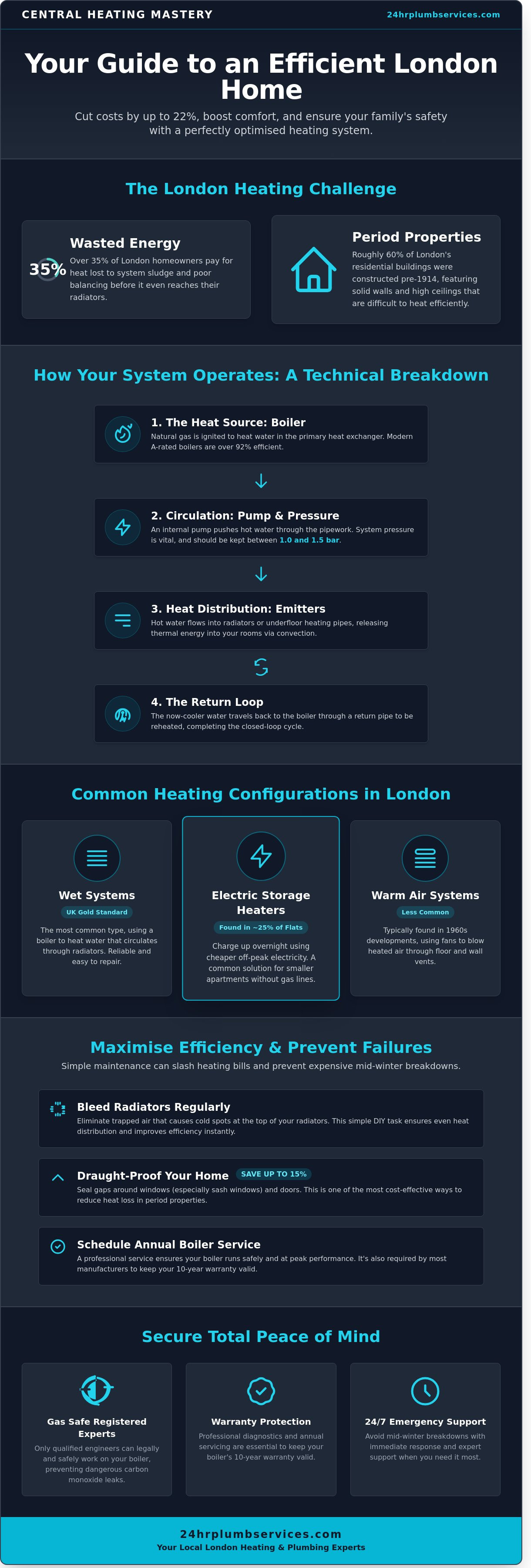
Over 35% of London homeowners are currently paying for heat that never reaches their radiators due to system sludge and poor balancing. You know the frustration of a cold bedroom while the kitchen swelters, or the dread that comes with an unexpected £400 repair bill in mid-January. It's time to take control. This guide helps you master your central heating so you can cut monthly energy costs by up to 22% while keeping your family safe and warm.
We understand that 2026 low-carbon regulations feel confusing and high energy prices are a constant stress. You deserve a reliable system that works without the noise or the cold spots. We'll show you how to spot early warning signs, which efficiency hacks actually save money, and exactly when to call a Gas Safe registered expert. From identifying noisy pipes to understanding new boiler standards, you'll gain the technical authority to manage your home with total confidence.
Key Takeaways
Identify why London’s unique housing stock requires a bespoke approach to ensure your property stays warm and energy-efficient.
Compare combi, system, and hybrid central heating options to find the most reliable, space-saving solution for your specific London postcode.
Master essential DIY maintenance, from bleeding radiators to zoning with TRVs, to slash your heating bills and boost performance instantly.
Understand the critical mechanics of heat circulation to spot potential faults early and avoid expensive, mid-winter breakdowns.
Secure total peace of mind with 24/7 emergency support and professional diagnostics that keep your home safe and your boiler under warranty.
Table of Contents
Understanding Central Heating Systems in London’s Diverse Housing
How Your Central Heating System Operates: A Technical Breakdown
Comparing Modern Heating Solutions: Boilers, Heat Pumps, and Hybrids
Professional Maintenance and Emergency Heating Support in London
Understanding Central Heating Systems in London’s Diverse Housing
A central heating system is the heart of your London home. It generates warmth from one central source, like a high-efficiency boiler or a modern heat pump, and distributes it through a network of pipes to radiators or underfloor heating. Understanding Central Heating Systems is vital for any homeowner facing the 2026 energy transition. As the UK moves toward net-zero targets, 2026 marks a pivotal year where we balance traditional gas reliability with emerging low-carbon technologies. Your system relies on three main parts: the heat source, the distribution network, and the emitters.
London properties present unique challenges. Roughly 60% of the city's residential buildings were constructed before 1914. These older structures don't hold heat like modern builds. You need an expert who understands these quirks. Our team ensures your central heating setup is both powerful and efficient. We prioritise immediate response and technical authority to keep your family warm without hidden costs. Every installation we handle is guaranteed to meet the highest safety standards, giving you total peace of mind during the coldest months.
Common Heating Configurations in Greater London
Most Londoners rely on wet systems. These use water-filled radiators and copper pipework to move heat. They're the UK gold standard because they're reliable and easy to repair. In roughly 25% of London's smaller studio apartments and flats, you'll find electric storage heaters. These charge up overnight using cheaper off-peak electricity. You might also encounter warm air systems. These are less common today, typically found in 1960s developments along the M25 corridor, using fans to blow heated air through floor vents.
The Challenge of Heating Victorian and Edwardian Properties
Period homes are beautiful but notoriously difficult to keep warm. Solid brick walls lack the cavity insulation found in newer builds. This leads to significant heat loss. High ceilings also mean your central heating system has more volume to heat. We've found that radiator sizing is critical here. If your radiators are too small, you'll have cold spots and high bills. We recommend high-output models or oversized radiators for these rooms. Draught-proofing is your best friend. Sealing gaps around original sash windows can reduce heat loss by up to 15%. Our licensed engineers focus on these details to ensure your period property remains a sanctuary.
How Your Central Heating System Operates: A Technical Breakdown
Your central heating system functions as a high-performance engine for your home. It starts with the combustion process. Natural gas enters the boiler and mixes with oxygen before an electric spark or hot surface igniter creates a steady flame. This flame heats a primary heat exchanger. As cold water passes through this component, it absorbs thermal energy. Modern systems are remarkably efficient. They use condensing technology to recover heat from exhaust gases that older units simply wasted. This process increases energy output by at least 15% compared to non-condensing models found in older London flats.
Circulation keeps the warmth moving. A powerful internal pump pushes this heated water through a network of copper or plastic pipes. In many London properties, this pipework navigates tight floor voids and thick Victorian brickwork. The system operates on a closed-loop principle. This means the water stays within the pipes and radiators, cycling back to the boiler to be reheated. Maintaining a steady pressure, typically between 1.0 and 1.5 bar, is vital. If the pressure drops below 0.5 bar, the pump cannot move water effectively. If it exceeds 3.0 bar, the safety discharge valve will trigger to prevent a pipe burst.
The Role of the Boiler and Gas Safe Standards
The boiler is the brain of the operation. Modern A-rated units achieve over 92% efficiency by using a secondary heat exchanger. This captures latent heat from water vapour in the flue. Safety is the absolute priority. The Gas Safety (Installation and Use) Regulations 1998 dictate that only a Gas Safe registered engineer can legally remove a boiler casing. This prevents dangerous carbon monoxide leaks and ensures the gas valve is calibrated correctly. Most manufacturers require a recorded annual service to keep your 10-year warranty valid. If your system feels sluggish, an expert boiler inspection can restore peak performance and lower your bills.
Heat Distribution: Radiators, Convectors, and Underfloor Pipes
Heat enters your rooms through specific distribution points. Standard panel radiators use convection to move air. Cold air stays low, gets heated by the radiator, and rises to the ceiling. This creates a natural circulation loop. In contrast, underfloor heating (UFH) uses the entire floor surface. UFH is highly efficient because it operates at lower temperatures, often 35°C compared to 70°C for radiators. Every central heating setup includes an expansion vessel. This small tank contains a rubber diaphragm and compressed air. It absorbs the 4% increase in water volume that occurs when the system heats up, protecting your joints and valves from excessive stress.
Comparing Modern Heating Solutions: Boilers, Heat Pumps, and Hybrids
Choosing a central heating system in 2026 requires balancing immediate comfort with long-term energy targets. London homeowners face unique challenges, from tight Victorian terrace layouts to sprawling suburban estates. Our expert engineers see the impact of these choices every day. We focus on delivering technical authority and reliable warmth regardless of your property type.
Combi boilers remain the dominant choice for London apartments. They provide heat and hot water directly from the mains. This eliminates the need for bulky water tanks or cylinders, saving vital square footage in high-density areas. For larger detached houses in the M25 corridor, system and conventional boilers are often better. These units use a separate cylinder to store hot water. This setup ensures that three or more bathrooms can run simultaneously without a drop in pressure.
The 2026 push for decarbonisation has placed air source heat pumps at the forefront of the UK's environmental strategy. These systems extract heat from the external air to warm your home. They operate differently than traditional gas systems. While a boiler provides a quick blast of high heat, a heat pump maintains a steady, lower temperature over long periods. Hybrid systems offer a middle ground. They combine a gas boiler with an electric heat pump, switching between the two based on external temperatures and energy prices to ensure maximum efficiency.
High-Efficiency Condensing Boilers vs. Low-Carbon Heat Pumps
Cost is often the deciding factor for many Londoners. A premium condensing boiler installation typically costs between £2,500 and £4,500. In contrast, air source heat pumps can exceed £12,000 before government incentives. The Boiler Upgrade Scheme currently offers grants of £7,500 to help bridge this gap. You must consider your home's thermal envelope. Heat pumps work best at flow temperatures of 35°C to 45°C. If your London terrace lacks modern insulation, you might need to upgrade radiators or install double glazing to achieve the same comfort levels a boiler provides at 70°C.
Selecting a System Based on London Property Type
Property architecture dictates your central heating options. High-rise flats with limited external wall space usually cannot accommodate heat pump fans. In these cases, a compact, hydrogen-ready combi boiler is the most reliable solution. Large homes in areas like Richmond or Bromley have higher hot water demands. A system boiler paired with a 300-litre unvented cylinder ensures every shower stays hot. We provide guaranteed performance by calculating your exact peak usage before recommending a unit. Our licensed team ensures every installation is safe, efficient, and fully compliant with 2026 building regulations.
DownloadFeedback & RecreateDelete
Maximising Efficiency and Preventing System Failures
Your central heating system shouldn't just run; it should perform with precision. Efficiency starts with control. Install Thermostatic Radiator Valves (TRVs) on every radiator to create distinct heating zones. These valves allow you to set the guest bedroom to 16°C while the lounge stays at 21°C. You stop paying to heat empty space. It's a simple upgrade that delivers immediate results.
Maintenance tasks often fall by the wayside, but they shouldn't. If your radiators feel cold at the top, air is trapped inside. Bleeding them takes five minutes with a radiator key and restores full heat output instantly. If the radiator furthest from your boiler remains lukewarm while others are scorching, your system lacks balance. We adjust the lockshield valves to ensure hot water reaches every corner of your home at the same rate. This prevents the boiler from overworking to satisfy a single cold room.
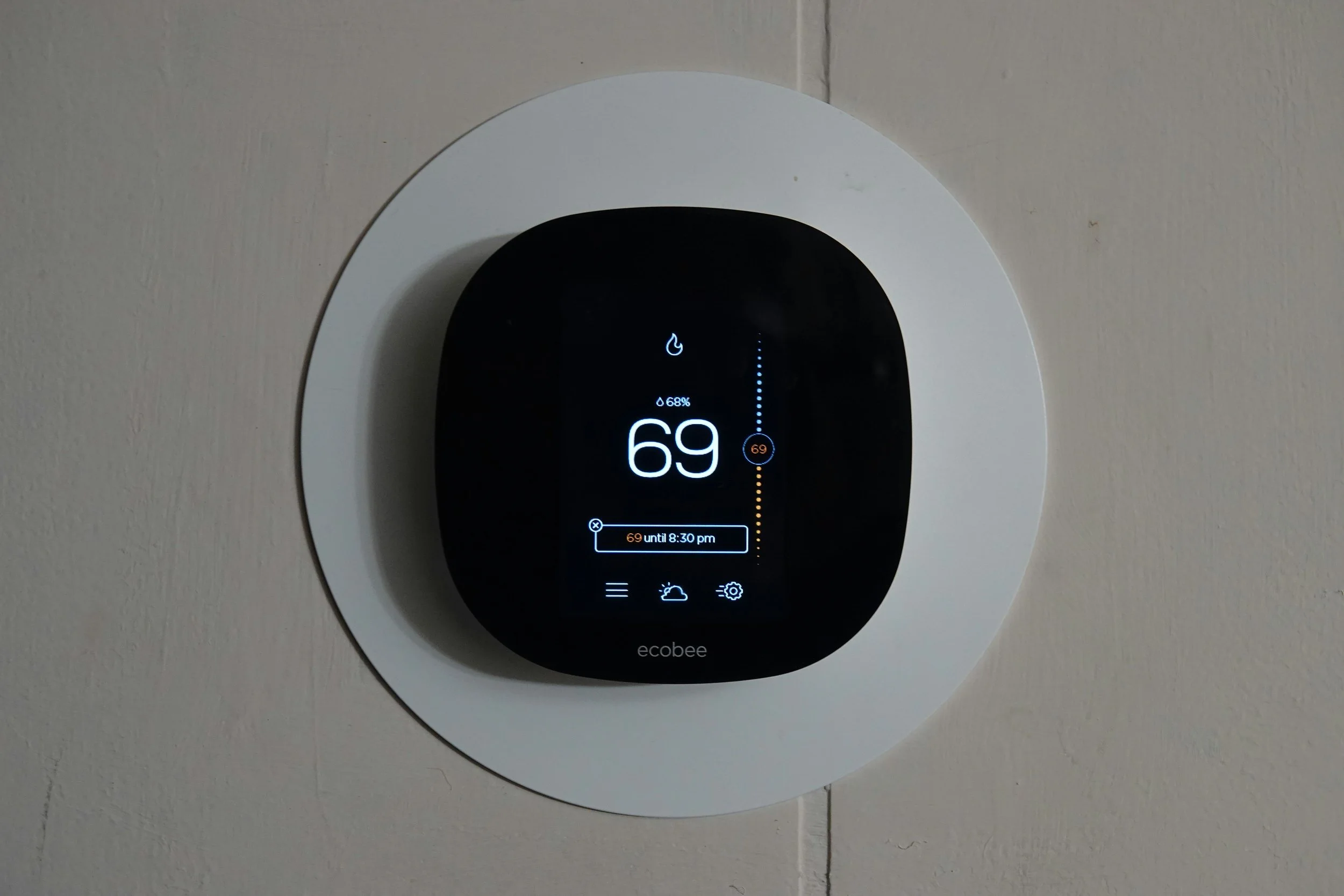
By 2026, smart technology is the standard for London homes. Learning thermostats now integrate with local weather data and your personal habits. These devices can reduce annual energy bills by up to £311 by preventing "overshoot" where the boiler continues to burn gas after the room reaches the target temperature. We see the best results when these are paired with modern modulating boilers that adjust their flame size based on demand.
The Impact of London’s Hard Water on Your Pipework
London's water is notoriously hard, often containing over 300mg of calcium carbonate per litre. This mineral content is a silent killer for pipes. Limescale acts as an insulator; just 1.6mm of scale buildup on a heat exchanger can reduce your boiler's efficiency by 12%. We combat this by installing magnetic filters. These devices catch black iron oxide sludge before it reaches the pump or heat exchanger. Every professional service we perform includes a fresh dose of chemical inhibitors. This treatment creates a protective film inside your radiators to stop corrosion before it starts.
Power Flushing for 2026 Energy Standards
Power flushing is a high-velocity deep clean for your entire system. It's the most effective way to meet modern efficiency standards. You'll know you need one if your radiators have cold spots at the bottom or if your boiler makes a "kettling" noise like a lime-scaled kettle. These are signs of heavy sludge deposits. A professional power flush restores circulation and can cut gas consumption by 15% immediately. For a typical London household, the fuel savings often cover the cost of the service within 24 months. It's a guaranteed way to extend the life of your boiler and ensure your home stays warm during the peak of winter.
Don't wait for a total system breakdown to take action. Book a professional central heating health check today to protect your home and lower your bills.
Professional Maintenance and Emergency Heating Support in London
London winters don't wait for office hours. When your central heating fails at 3:00 AM on a freezing Tuesday, you need more than a promise; you need a van on the road. Our 24/7 emergency availability ensures that capital homeowners never face a sub-zero night without support. We arrive with a clear objective: restore your comfort and secure your property. A professional diagnostic visit involves a systematic pressure test, flue gas analysis, and a component integrity check. We don't just patch the problem. Our engineers identify the root cause to prevent a repeat failure, giving you absolute technical clarity.
Safety remains our absolute priority during every call out. Carbon monoxide is a silent threat that remains a serious risk in older London housing stock. Since the 2022 update to the Smoke and Carbon Monoxide Alarm Regulations, every home must have functional, audible detectors near combustion appliances. Our experts verify these alarms as a standard part of our safety protocol. We move you from the high-stress moment of a breakdown to the calm reassurance of a certified repair. You'll see the evidence of a job done right through our digital diagnostic reports.
When to Call a 24-Hour Emergency Heating Engineer
Recognising a crisis early prevents expensive secondary damage to your floors and ceilings. You must act immediately if you notice these urgent red flags:
A total loss of heat or hot water during the peak winter months.
The smell of gas or a metallic, burning aroma near the boiler casing.
Visible water pooling or active leaks from central heating pipes and radiators.
Sooty stains around the appliance or yellow flames instead of crisp blue ones.
If you experience a total heat loss, follow our "No Heat" protocol. Isolate the gas supply if you suspect a leak and keep your family in a single, well-insulated room to preserve residual warmth while you wait for our specialist to arrive. We aim for a rapid response to ensure your pipes don't freeze and your family stays safe.
Choosing a Certified Local Hero for Your Service
London presents unique challenges that national firms often struggle to manage. Navigating ULEZ zones and finding parking near a Victorian terrace requires specific local knowledge. We employ London-based engineers who understand these logistics and arrive on time. Our pricing model is built on integrity; we provide a fixed quote with no hidden costs before any work begins. You deserve technical excellence without the financial surprises. Book your expert central heating service with 24hr Plumbing and Heating today to secure your home for the season ahead.
Secure Your London Home’s Efficiency for 2026
Maintaining a high-performing central heating system in London isn't just about staying warm; it's a vital step in protecting your property and your budget. Modernising your setup can slash annual energy bills by up to £540, while consistent professional servicing eliminates the sludge buildup responsible for 25% of mid-winter boiler failures. Whether you live in a draughty Victorian conversion or a new-build flat, technical precision is the only way to guarantee long-term comfort and safety as regulations evolve.
24 Hour Plumb Services provides the technical authority you need during any heating crisis. Our Gas Safe Registered Engineers offer a 24/7 emergency rapid response across the entire M25 corridor, ensuring you're never left in the cold. We pride ourselves on transparent pricing and a no-nonsense approach to every repair and installation we handle. We've seen every system quirk London has to offer, and we've fixed them all. You deserve a home that runs perfectly, regardless of the temperature outside.
Get an immediate quote for central heating repairs or installation in London
Take the first step toward a more reliable home today; our team is standing by to deliver the expert support you expect and the warmth you need.
Frequently Asked Questions
How often should I service my central heating system in London?
You must service your central heating system once every 12 months to ensure safety and efficiency. This annual check is a requirement for most manufacturer warranties and helps prevent 24/7 emergency breakdowns. Our Gas Safe registered engineers complete a full inspection in roughly 60 minutes, identifying worn components before they cause a total system failure. Regular maintenance reduces the risk of carbon monoxide leaks and keeps your energy bills predictable.
Why is my central heating radiator cold at the bottom?
Radiators that stay cold at the bottom are usually blocked by a buildup of iron oxide sludge and debris. This heavy "black sludge" settles at the lowest point of the radiator and prevents hot water from circulating through the internal channels. You need a professional powerflush to clear these blockages. Removing this debris restores full heat output and can improve your central heating efficiency by 15% immediately. We provide fixed-price quotes for all system powerflushing across London.
Is it cheaper to leave the heating on low all day or turn it on and off?
It's cheaper to use a programmer to turn your heating on only when you need it. London homes constantly lose heat through walls and windows, so leaving the system on 24/7 results in significant energy waste. Data from the Energy Saving Trust shows that using a timer and thermostat effectively can save a typical household over £120 per year. Set your home to 18°C or 21°C during active hours and use a lower setback temperature at night for the best results.
What is the most efficient temperature for a central heating boiler in 2026?
Set your condensing boiler flow temperature to 55°C to achieve maximum operational efficiency. Many older London systems are set to 75°C by default, which prevents the boiler from entering its most efficient "condensing mode." By lowering the flow temperature to 55°C, you allow the heat exchanger to recover more energy from the flue gases. This simple adjustment can reduce your gas consumption by 12% without requiring any expensive equipment upgrades.
Can I install a smart thermostat on an older London heating system?
You can install a smart thermostat on 95% of London heating systems manufactured after 1990. Modern controls like Nest, Hive, or Tado are compatible with most older boilers using standard wiring or wireless receivers. Our expert team ensures the new controls communicate perfectly with your existing valves and pumps. Upgrading to a smart system allows for remote control via your smartphone and typically reduces annual energy waste by 31% through better scheduling.
How much does it cost to replace a central heating pump in London?
Replacing a central heating pump in London usually costs between £250 and £450 including all parts and professional labour. The exact price depends on the specific pump model required for your property size and the accessibility of your pipework. We provide transparent, upfront pricing with no hidden costs for every job. Our licensed engineers carry common pump models on their vans and can usually complete the replacement within 2 hours to restore your heat.
What is the average lifespan of a modern condensing boiler?
A modern condensing boiler typically lasts between 10 and 15 years. Regular annual servicing is the most important factor in reaching that 15-year mark. Systems that aren't maintained often suffer from major component failure after just 8 years of use. We offer guaranteed repairs and proactive maintenance plans to extend the life of your unit. If your boiler is over 12 years old, we recommend planning for a replacement to avoid an emergency during the peak winter months.
Why is my central heating making a banging or whistling noise?
Banging or whistling noises, often called "kettling," are usually caused by limescale buildup on the heat exchanger. Since 60% of London homes are in hard water areas, mineral deposits frequently restrict water flow within the boiler. This causes the water to overheat and turn to steam, creating loud popping or whistling sounds. While bleeding your radiators might solve minor air issues, a professional descaling or powerflush is often necessary to stop the noise and prevent permanent damage to your heat exchanger.